
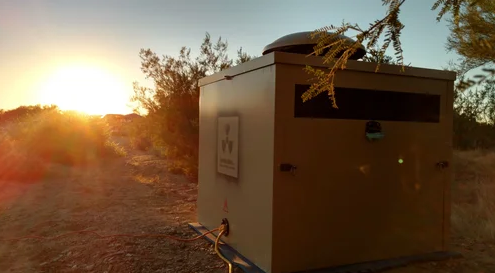
A busy jobsite rarely feels quiet. Equipment runs throughout the day, and materials move constantly. Temporary power often stays on for long stretches, adding to the background noise. Still, loud conditions do not have to feel chaotic. A practical approach to worker safety and workplace noise control begins with understanding where sound affects people most. When teams address those areas early, the entire site becomes easier to manage.
Why Workplace Noise Becomes a Safety Issue
Noise does more than irritate people. It can interfere with how work gets done. When crews struggle to hear instructions or warnings, small issues in the jobsite can escalate quickly. A generator placed near an active work zone often creates a steady hum that never lets up. Over time, that constant sound makes communication harder and adds strain during long shifts.
Focus tends to slip in loud environments. For example, workers who spend the entire day raising their voices may tire faster. When communication breaks down, mistakes become more likely.
Start With the Loudest Equipment on the Jobsite
Every jobsite has a few noise sources that stand out. Generators often top that list. They sit close to tools and work areas because that is where power is needed. When loud equipment sits too close to workers, the sound spreads quickly. It becomes part of the environment, even if it causes strain.
Begin by identifying where the noise is strongest. Then consider where crews spend most of their time. If those areas overlap, the setup needs adjustment. Focusing on the loudest source first keeps the plan grounded. It also gives crews an immediate improvement, which helps build consistency.
Use Acoustic Sound Panels To Control the Sound Path
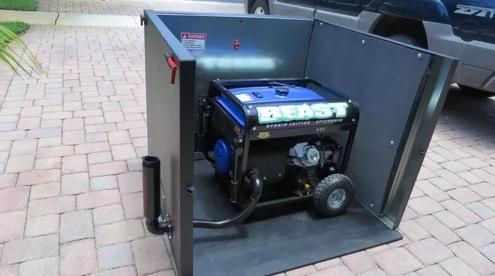
Acoustic sound panels work by interrupting how noise travels. They do not change the equipment itself. Instead, they create a barrier that reduces the amount of sound reaching nearby workers.
This approach fits well on job sites where layouts shift often. Crews move, and equipment often gets repositioned. A permanent structure rarely makes sense in that kind of environment.
Portable panels, on the other hand, offer flexibility. Teams can place them between loud equipment and active work zones. They can also redirect sound away from walkways or neighboring areas. The focus remains on reducing the impact of the loudest equipment to make the workday feel more manageable.
Why Panels Work Well Around Generators
Generators produce a steady, consistent sound that can wear on workers over time. Panels help by breaking up that sound path. As a result, nearby areas feel less overwhelming. Access remains important here. Workers still need to reach the generator when necessary. A flexible panel setup allows that access while still helping control noise.
Keep Communication Clear Around Active Work Areas
Clear communication keeps a jobsite running smoothly. Workers need to hear each other without constant strain, and instructions should be carried out without repeated shouting. When loud equipment sits too close, people adjust by raising their voices.
That approach works for a while, but it quickly becomes exhausting. Reducing noise near key work zones helps crews stay focused. It also makes it easier for supervisors to give direction. The result is a smoother flow throughout the day.
Think About Generator Placement Before It Starts Running
Placement plays a bigger role than many expect. A generator set near a wall can bounce sound back toward the crew, and tight spaces can amplify the noise even further. Before starting the equipment, take a moment to assess the area. Consider how sound will travel and who will be closest to it.
Moving the generator a short distance can reduce its impact. Changing its orientation may also help direct sound away from workers. Safety should always guide placement decisions. Generators need proper clearance, and exhaust must move safely away from people and enclosed spaces.
Make Noise Control Easy for Crews to Use
A noise-control plan only works when it fits into the workday. If panels feel difficult to move or set up, crews may avoid using them. If access becomes an issue, the setup may be removed. Workers need tools that support their tasks without slowing them down.
Acoustic panels offer a practical option because they do not require a permanent installation. Teams can position them around the noise source and adjust as needed. When a solution feels easy to use, crews are more likely to stick with it.
Pair Noise Panels With Smart Hearing Protection
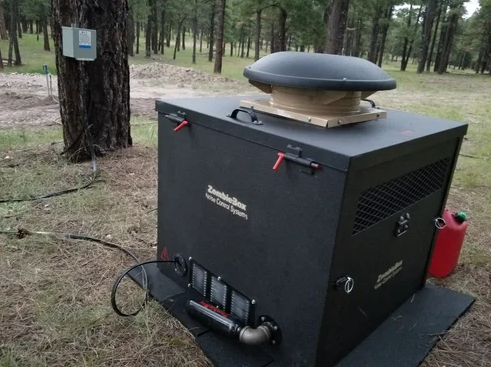
Acoustic panels help reduce noise at the source, but they do not replace personal protection. Earplugs and earmuffs still play an important role when exposure remains high. Panels lower the overall noise level across the site, but hearing protection works at the individual level. Together, they create a more complete approach.
Conditions vary from one jobsite to another. Some areas remain loud even after panels are in place. Certain tasks may require workers to stay close to equipment for short periods. A layered strategy works best. Reduce noise where possible, then protect workers when needed.
Choose Outdoor-Ready Panels for Real Jobsite Conditions
Job sites can be rough on equipment. Panels may be exposed to wind, dust, and constant movement. Materials that work indoors often struggle outside. Outdoor-ready panels handle these conditions better. They stay stable during use and remain easy to reposition as the site changes. Durability affects whether crews continue using the setup. A reliable panel should feel like part of the workflow. It should reduce noise without adding frustration.
Noise control works best when it becomes part of the daily routine. Waiting until the generator has been running for hours makes the problem harder to manage.
A simple process helps crews stay consistent:
Identify the loudest equipment before work begins.
Place panels between the noise source and active crew areas.
Keep airflow and access to powered equipment clear.
Check the setup when the site layout changes.
Remind workers to use hearing protection when needed.
This routine does not slow things down. In many cases, it saves time by reducing confusion. Workers communicate more easily, and supervisors can give directions without repeating themselves.
Bringing It All Together for a Safer, Quieter Jobsite
Workplace noise will always be part of the job, but it does not have to dominate the environment. When teams take a more intentional approach to worker safety and workplace noise control, the difference shows up in how smoothly the workday runs.
Reducing the impact of loud equipment helps crews communicate more clearly and stay focused on the task at hand. It also creates a more comfortable environment where workers are not constantly battling background noise. Over time, that kind of improvement supports better habits and a stronger safety culture.
Loud equipment should not make every workday harder than it needs to be. Zombie Box International provides acoustic sound panels designed for real jobsite conditions, giving crews a practical way to manage noise from generators and other equipment without committing to a permanent structure. If your team needs a flexible setup that supports clearer communication, explore Zombie Box International today!