

If you've ever fired up a generator during an outage, you already know how valuable it can be. You probably also know how far that engine noise can carry. What seems reasonable from your porch may sound much louder from the house next door. The right enclosure can help reduce noise, protect the generator, and give the setup a more finished appearance.
Noise reduction is only one piece of the puzzle, though. After all, a generator cannot perform properly if it is boxed into a space that restricts its operation. Here are seven generator enclosures to beat neighborhood complaints!
1. Portable Generator Enclosures
Some people keep their generators stored until there’s an outage, while others move them around for different jobs. A portable enclosure gives you that flexibility without needing a permanent setup. Portable enclosures also help with noise. Instead of letting sound travel across your yard, the enclosure blocks some of it before it reaches your neighbors. It won’t make the generator silent, but it can make it less bothersome.
It’s still important to have easy access. You should be able to reach the controls and do maintenance without any trouble. If the enclosure makes things harder, it’s not the right design.
A portable enclosure might be a good choice if you:
Use a generator primarily during outages
Need a temporary setup for projects or events
Want something that can be stored when not in use
Have limited outdoor space
Prefer flexibility over a permanent structure
2. Standby Generator Enclosures
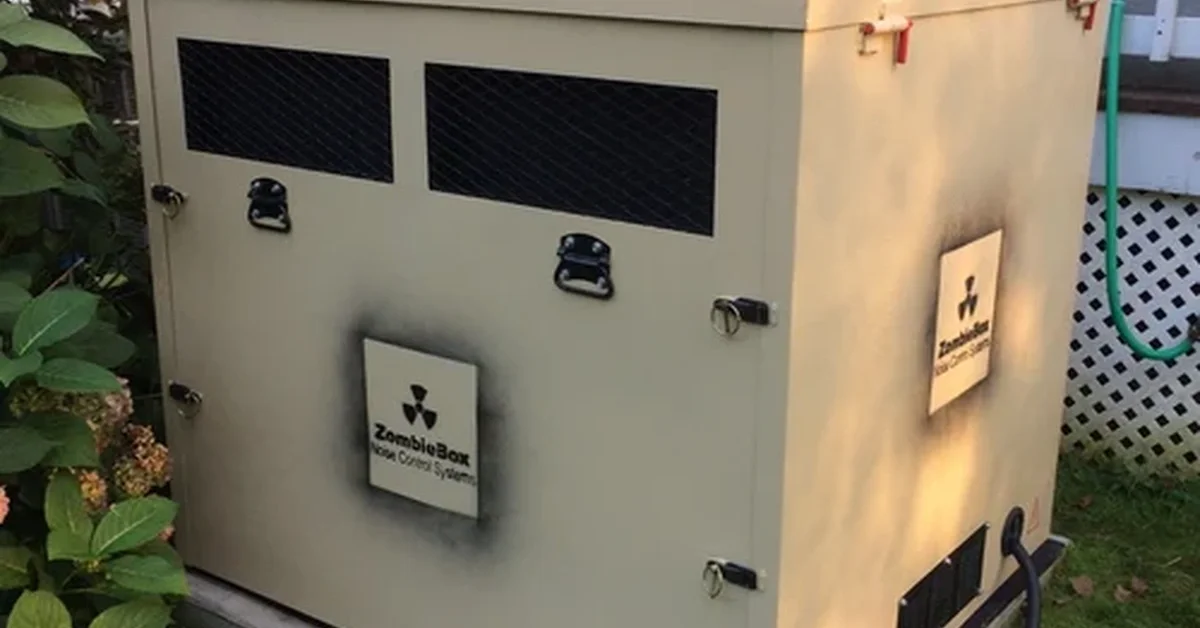
Standby generators are a bit different since they stay in one spot all year. Where you place them affects how much noise your neighbors hear. For example, a generator near a bedroom window is more noticeable than one by a garage. Distance and nearby buildings change how sound travels.
A good enclosure can reduce the noise and make your generator setup look more organized. It also helps your generator blend in, instead of looking like it was added as an afterthought.
3. Weather-Resistant Enclosures
People often focus on noise, but weather is important too. Outdoor generators face rain, wind, sun, dust, and debris, which can wear them down over time. A weather-resistant enclosure protects your generator and still lets it work as it should. This becomes especially valuable during severe weather. Ironically, the moments when backup power matters most are often the same moments when outdoor equipment faces the harshest conditions.
4. Noise-Reducing Panels
You don’t always need a full enclosure. Sometimes, noise is only a problem in one direction, like toward a neighbor’s fence or a patio. In these cases, placing panels in the right spots can help without covering the whole generator. Panels block sound by getting in its way. Instead of enclosing everything, they target the direction where noise is a problem. This is especially helpful if you don’t have much space.
A panel-based setup can help with:
Reducing sound that travels toward a neighbor's home
Creating a barrier along a shared fence line
Improving comfort near patios, decks, or work areas
Supporting temporary generator use during outages
Adding noise control where a full enclosure is not practical
5. Collapsible Enclosures
Not everyone wants a permanent structure occupying yard space year-round. A collapsible enclosure offers a different approach. When the generator is needed, the enclosure can be set up quickly. Once the job is done, it can be folded away and stored.
That convenience is the reason why it appeals to many homeowners. The enclosure is available when noise becomes a concern, yet it remains hidden when the generator is not in use.
6. Ventilated Enclosures
Ventilation is very important for generator enclosures. The enclosure should not act like a storage box! Generators create heat and exhaust, so they need a way for air to flow and gases to escape. Without good airflow, problems can happen fast. The best enclosures have vents and openings to keep things safe and quiet.
Many DIY projects overlook this balance. Someone focuses on blocking sound, closes off too much of the enclosure, and unintentionally creates overheating issues. What started as a noise-control project ends up affecting the equipment’s performance. An enclosure should make generator ownership easier, not introduce new complications.
7. Enclosure and Muffler Combinations
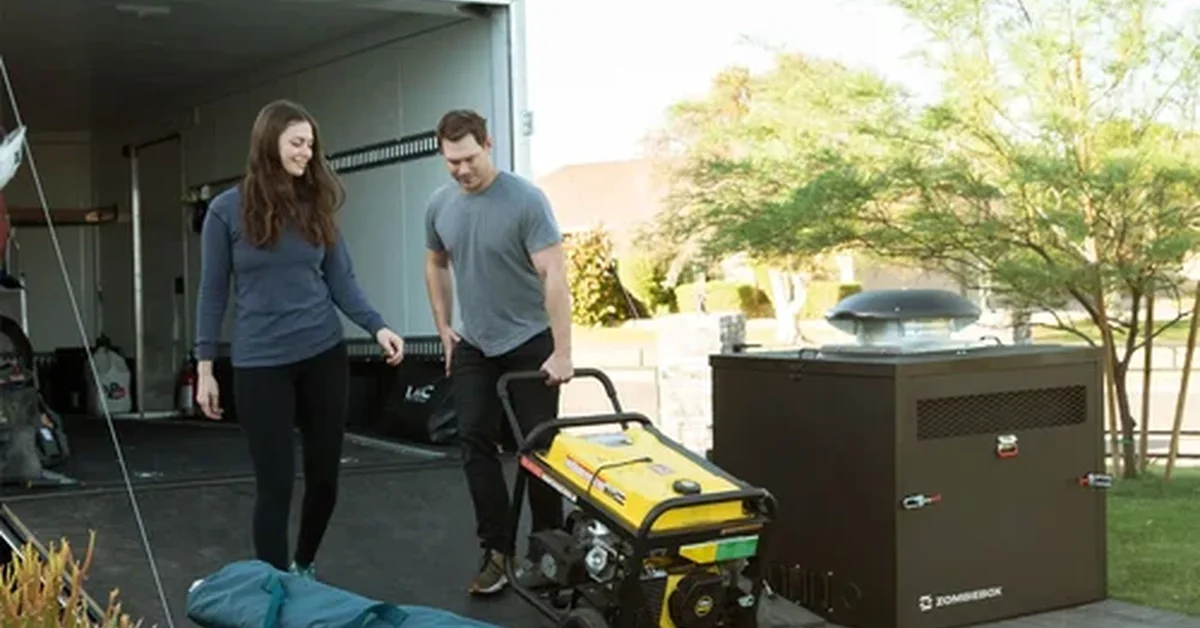
In some situations, a single upgrade may not address the entire noise problem. A generator muffler targets exhaust noise, while an enclosure addresses sound coming from the engine and other operating components. Because they address different sources of noise, combining them can yield better results than relying on either alone. Be careful with any exhaust changes. Make sure parts are compatible, and follow the manufacturer’s instructions to avoid safety or performance problems.
The Quietest Setup Starts With Location
Even an excellent enclosure has limits! Take a moment to look at where the generator sits. A location beside a wall can reflect sound, while an overhang may amplify certain frequencies.
Moving the generator a short distance may change how sound travels across the property. In other cases, simply orienting the equipment differently can help direct noise away from neighboring homes. Remember, safety is a priority. Generators should be kept away from doors, windows, vents, and enclosed areas where exhaust could accumulate.
DIY Enclosures Can Create Real Problems
It’s easy to see why people like the idea of building their own enclosure. At first, using plywood and soundproofing materials seems like a cheap fix. But generators have needs beyond just noise control. Heat, vibration, exhaust, and maintenance access all need to be considered.
When those factors get overlooked, the enclosure can create problems that did not exist before. One design may restrict airflow. Another might make refueling awkward. Some structures trap heat or use materials that deteriorate outdoors. These issues are common because many DIY projects focus heavily on sound reduction while overlooking how the generator actually operates. Before you build anything, make sure your design will be safe
Save Neighbor Relationships
Generator noise isn’t just a technical issue; it affects everyone who hears it. Most people want backup power without upsetting their neighbors. A well-designed enclosure can help you find that balance. If you've been researching generator enclosures to address neighborhood complaints, consider these practical options.
Your generator should give you peace of mind, not make you worry about bothering your neighbors. If you want a professionally designed generator muffler, check out Zombie Box International for practical ways to make your backup power quieter. Shop now!