
If you have worked on a construction site in a busy area, you know how fast noise complaints can pile up. A loud generator near apartments or offices often draws attention from neighbors, and soon the city might step in. Many contractors only start thinking about noise after complaints come in, but by then, the project could face delays or even fines.
Crews who know how to avoid city fines treat noise control as a regular part of their setup, just like getting permits or managing traffic. One of the simplest ways to prevent complaints is to enclose noisy equipment before any issues start.
Why Nearby Neighbors Notice Jobsite Noise
Construction equipment can be louder than you might think. Generators and compressors often run for hours at a time, and even normal noise levels can bother people nearby. Picture someone working from home with a generator humming outside all day. In crowded city areas, the problem gets worse because buildings bounce the sound around.
Most complaints start with people living or working nearby. After enough complaints, inspectors will usually show up. When that happens, the city may check the whole site to see if your crew is making an effort to control the noise.
Every City Handles Noise Differently
A lot of contractors think noise rules are the same everywhere, but local rules can be very different. Some cities set decibel limits, while others focus on work hours or how often complaints happen. Emergency generators might have their own rules. It's a good idea to check local ordinances before bringing equipment to the site. Talking to the building department can help you avoid problems and learn what inspectors look for.
The Machines Most Likely to Trigger Complaints
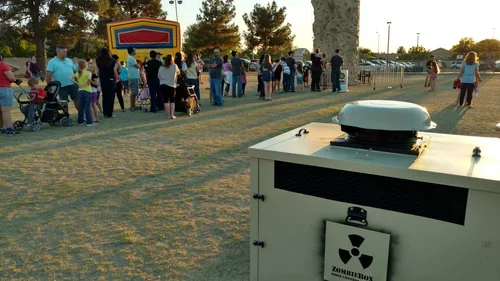
Not all machines cause the same problems. Portable generators often get the most complaints because they run constantly and are close to neighbors. Compressors and industrial vacuums can also be big issues in cities. Complaints are not just about how loud something is; how long it runs matters too. A generator that runs all day, even if it's not the loudest, can bother people more than a noisy tool used only sometimes.
Stop Noise Before It Travels Across the Jobsite
The best way to control noise is to start at the source. Sometimes you can move equipment farther away, but many sites just don't have the space. Turning off equipment isn't an option when crews need power. That's why generator enclosures are so useful.
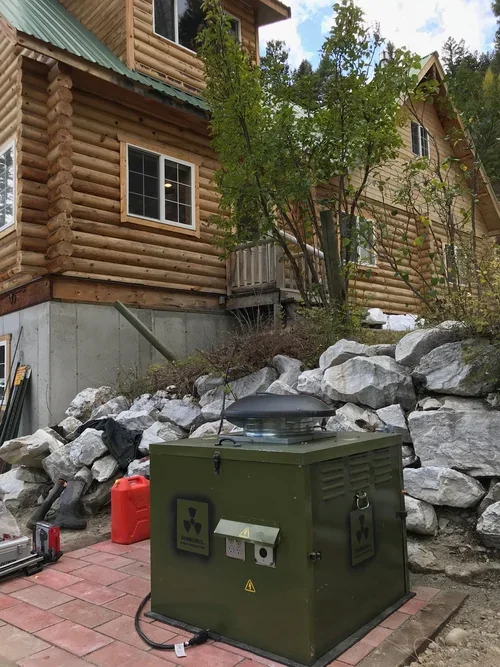
Choose portable, weatherproof enclosures made to reduce equipment noise. These let you run your equipment safely while keeping things quieter. Avoid making your own barriers, as temporary plywood walls often don't work and can cause ventilation problems. A purpose-built enclosure is better for real job sites. It should handle airflow and weather conditions, allowing your crew to work safely and efficiently.
Less Noise Creates a More Professional Jobsite
When noise levels are lower, it's easier for workers to hear instructions and talk to each other. This makes the site safer because crews don't have to shout over machines. A quieter job site also looks better during inspections and shows your team is working professionally.
Poor Ventilation Can Create Bigger Equipment Problems
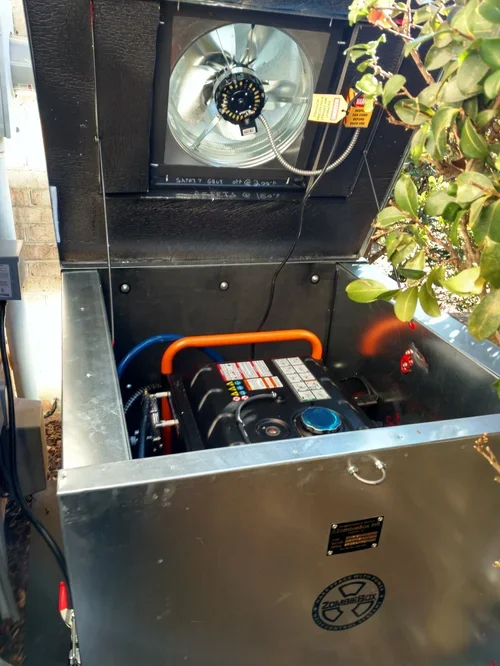
Many homemade noise barriers don't provide enough ventilation. Generators get hot while running, and poor airflow can quickly become a safety risk. Crews also need easy access for fueling and maintenance. If an enclosure is hard to use, workers might stop using it properly. That's why it's better to use professionally designed enclosures. They're made for real job sites and help cut down noise without causing other issues.
Why Temporary Noise Barriers Usually Fail Outdoors
Many contractors start with temporary fixes because they look cheaper. Foam panels and moving blankets might help at first, but plywood walls and makeshift barriers break down quickly outside. Rain and wind can damage these setups, so crews often end up spending more time and effort fixing them than they expected. Portable enclosures made for construction work solve these problems better. They are easy to move between sites and can handle tough weather. Crews can count on using the same setup every day.
Daily Setup Habits Can Reduce Future Fines
Most city fines don't happen because of one big mistake. They usually come from small problems that add up, like equipment being too close to neighbors or starting generators too early. Good crews avoid this by making noise control part of their daily routine.
Each morning before starting work, crews should walk around the site and listen from nearby sidewalks or neighboring spots. Equipment often sounds louder outside the fence. Moving equipment to a better spot can help reduce noise, and using a good enclosure makes your noise control even stronger.
Keeping Records Can Protect Your Crew Later
It's important to keep records when complaints come up. Crews should note where equipment is placed and when enclosures are used. They should also write down any talks with inspectors or neighbors. Inspectors are more likely to work with you if you show you're making an effort. Ignoring complaints usually makes things worse. Simple records can help later by showing you tried to fix the problem.
The Right Enclosure Should Simplify the Workday
Not all enclosures work for every machine, so crews need to think about how their equipment is used on site. Easy fuel access, good ventilation, and portability are all important for controlling noise. The right enclosure should make daily work easier, which is why choosing a professional design is the best option.
Job sites need solutions that work in real-world conditions. Crews move from place to place, and the weather changes all the time. Professional enclosures are portable, protect against the weather, and help manage airflow and noise. This makes them better than temporary fixes.
Strong Planning Keeps Complaints From Escalating
Most city noise problems can be prevented. Issues usually build up from repeated complaints or not planning ahead. Contractors who take the time to plan often have better relationships with neighbors and inspectors. If your crew wants practical ways to avoid city fines, make noise control part of your regular routine. When you need to enclose noisy equipment, pick a solution that's made for real construction sites.
Tired of worrying about noise complaints or surprise fines every time your generator kicks on? Zombie Box International offers a generator quiet box that is professionally designed to reduce noise, protect your equipment, and make everyday generator use a whole lot less stressful. Instead of guessing your way through a DIY setup, get a more practical way to keep noisy equipment under control.