
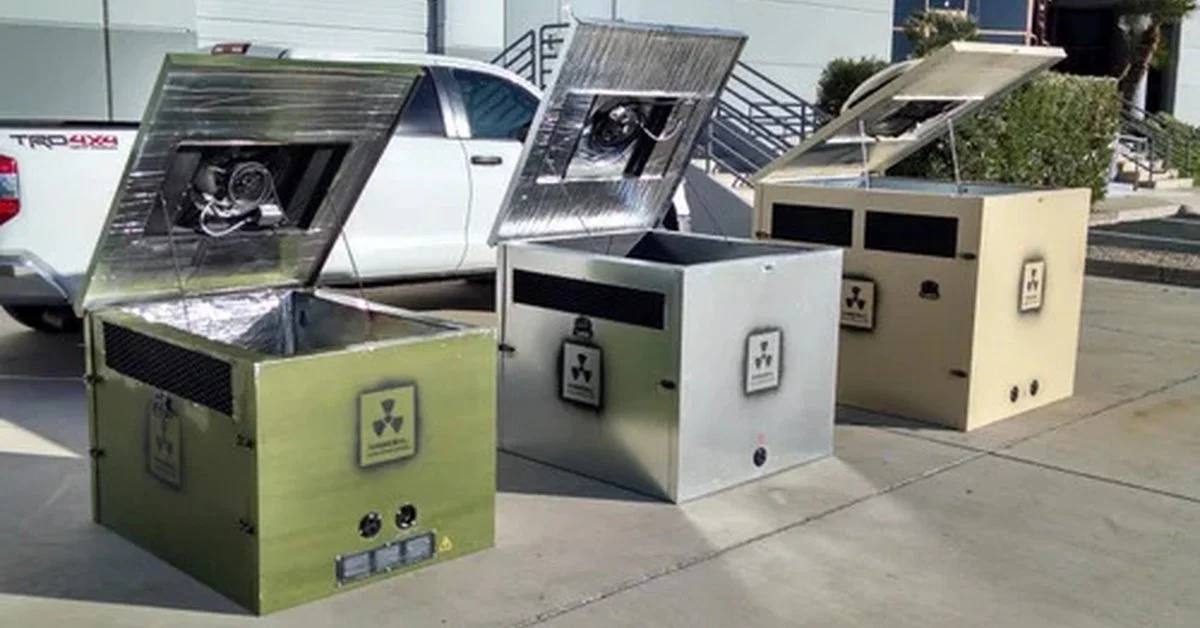
Portable generators show up on jobsites for a simple reason. Crews rely on them to keep tools running and lights on. However, that convenience comes with tradeoffs. A generator brings heat, noise, and electrical hazards all at once. When it's treated like basic equipment, small issues can quietly build up until something goes wrong.
Understanding OSHA compliance for portable generators should start before the unit ever runs. With these habits and smarter setup decisions, you can keep power available without adding unnecessary risk at the jobsite.
OSHA Guidance Around Portable Generators
OSHA guidance exists because these hazards are very real. Carbon monoxide exposure is usually the biggest concern. When a generator runs too close to enclosed or partially enclosed spaces, exhaust can build up without warning. Electrical risks can follow close behind when cords or connections are not handled properly.
Fire risk is another factor that cannot be ignored. Generators run hot, and fuel handling needs to stay controlled. A rushed refuel or poor storage choice can create a dangerous situation for the entire crew. Lastly, noise rounds out the picture. A generator that runs all day can wear down a crew and make communication harder than it should be.
OSHA guidance provides a framework for building safer habits around equipment you already depend on.
Start With Location Before the Generator Runs
Placement shapes everything that follows. A poor location can push exhaust toward workers or send noise straight into active areas. Before starting the generator, take a moment to look at the space. Think about where people will be working and how air moves through the area.
Set the unit so that exhaust can move away from people and enclosed spaces. Leave enough clearance so the generator can operate without overheating. You can also move the generator even a short distance away from the main work zone to reduce the amount of sound reaching the crew.
Control Carbon Monoxide
Carbon monoxide does not give you any warning signs. You cannot see it or smell it, which makes it especially dangerous. Generators should never run inside enclosed or partially enclosed spaces. That includes garages and areas under construction. Remember that opening a door or window does not make those spaces safe!
Give the exhaust room to disperse and avoid having workers spend extended time near the exhaust side of the unit. When the jobsite layout changes, revisit the generator location and adjust if needed.
Keep Electrical Protection Front and Center
Electrical safety needs constant attention when working with portable generators. Start with the basics! First, inspect cords before use and remove any that show damage. Keep connections organized so they do not get pulled or twisted during the day. Follow OSHA requirements and the generator manufacturer’s instructions to ensure your setup meets the required standards.
Backfeeding is another serious concern. Never connect a generator to a structure without a properly installed transfer switch. Improvised connections can put both your crew and utility workers at risk.
Use Weather Protection Without Blocking Airflow
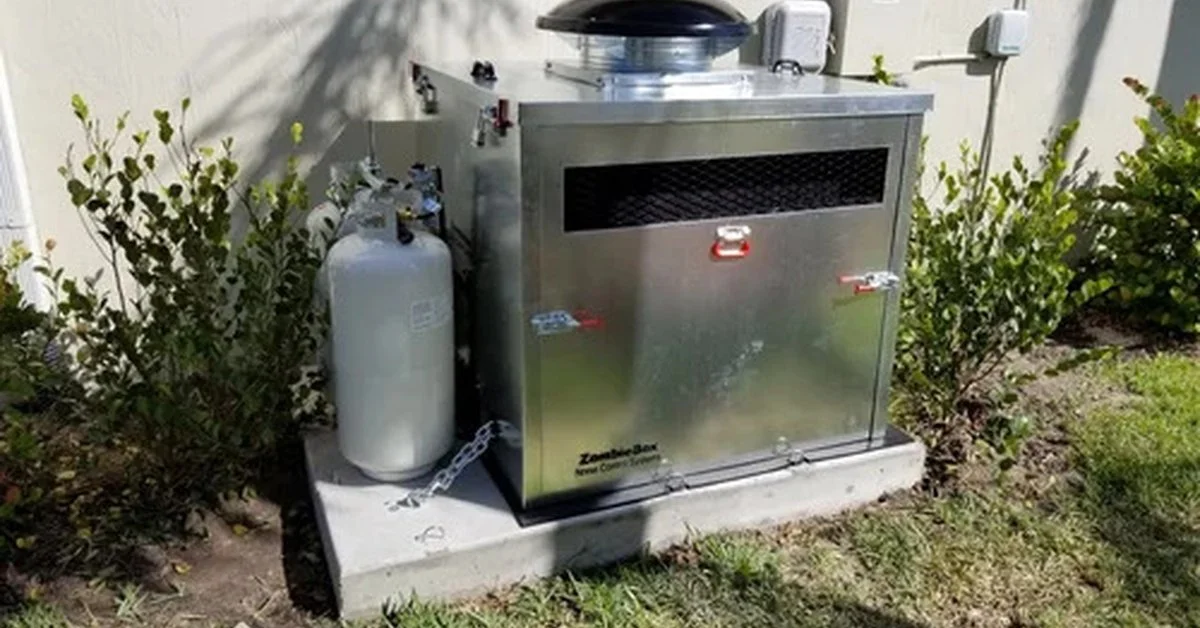
Job sites rarely offer ideal conditions, which is why protecting your generator from the elements helps keep it reliable. Use a generator enclosure or box that is designed to protect your equipment from harsh weather conditions.
At the same time, a generator needs proper ventilation to manage heat and exhaust. Enclosing it too tightly can create new hazards. A well-designed generator box shields the unit from weather while still allowing proper airflow. It also creates a more controlled setup compared to temporary fixes.
Reduce Noise at the Source When Possible
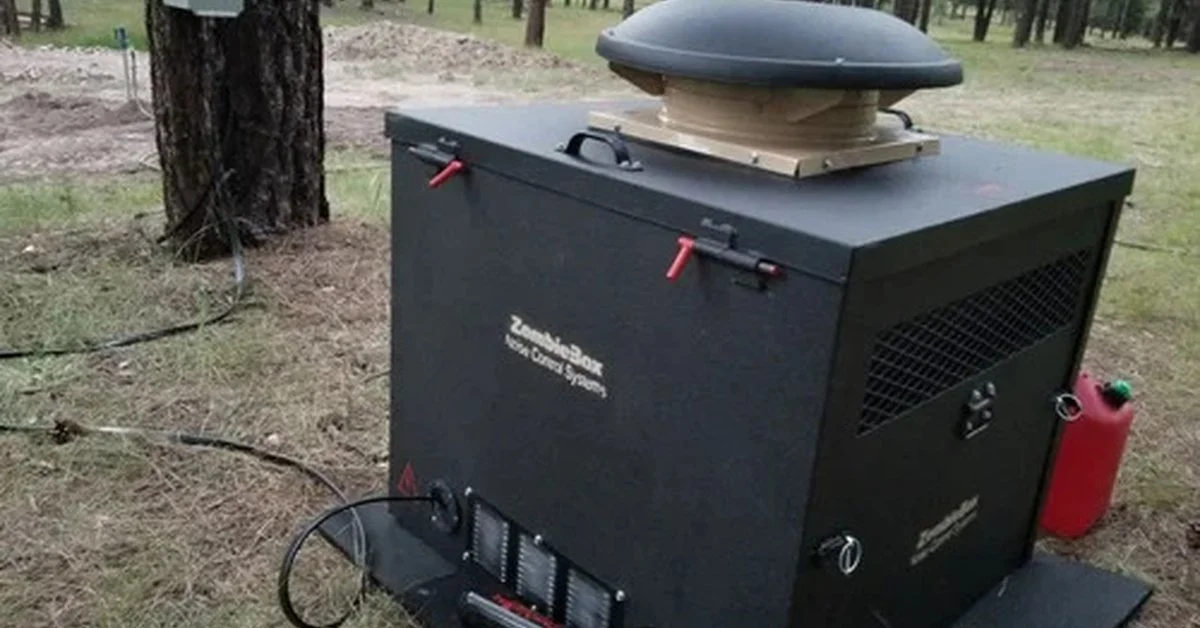
Noise often gets overlooked, but it has a real impact on daily operations. A generator running for hours can make communication harder and increase worker fatigue. Addressing the noise at the source can change the entire environment. A generator box or acoustic barrier can interrupt the path of sound before it spreads across the site. That keeps the impact closer to the equipment instead of letting it carry through the work area.
Why Noise Control Supports Safer Work
Clear communication keeps a jobsite running smoothly. Workers often need to hear instructions and signals without strain. When generator noise drops, those conversations become easier. The site feels more organized, and overall awareness improves.
Hearing protection still plays a role when exposure levels require it. Noise control simply adds another layer. Together, they create a safer and more manageable environment.
Build Generator Checks Into the Daily Routine
A simple generator check routine can prevent most common issues. Here’s a quick checklist you can do before each use to help keep everything in order:
Inspect cords for damage before plugging in tools.
Keep the generator dry during operation.
Place the unit away from doors and windows.
Confirm the exhaust has a clear path away from workers.
Keep fuel away from heat and ignition sources.
Allow the generator to cool before refueling.
Check that airflow is not blocked by covers or barriers.
Use hearing protection when noise exposure requires it.
This kind of checklist keeps everyone aligned and helps new workers understand expectations right away.
Avoid DIY Boxes That Create New Hazards
Building a quick generator box might seem like an easy fix for noise or weather. At first glance, it can look practical. In reality, it is more complicated. Portable generators need proper ventilation and easy access for operation and maintenance.
A DIY enclosure often misses those requirements. Heat can build up inside, exhaust may not escape properly, and limited access can make refueling and inspections more difficult.
Noise control also requires careful design. A poorly built box might reduce sound in one direction while reflecting it somewhere else. Any enclosure should support safe operation first. Everything else comes second!
How Generator Boxes Support a Safer Setup
A properly designed generator box brings several benefits together. It helps reduce noise while protecting the unit from weather and debris. It also creates a more predictable setup. Workers know where the generator belongs, making cord management easier. Professional designs also account for airflow, removing guesswork and supporting safe operation.
Bring Safety, Noise Control, and Protection Together
Portable generator safety works best when you look at the full picture. Exhaust, electricity, weather, noise, and access all play a role. A professionally designed generator box supports these factors. It helps control noise and protects the equipment at the same time.
Understanding OSHA compliance for portable generators is pretty simple. Focus on proper airflow and practical noise control. Then, choose equipment that supports those goals.
Your portable generator should keep the job moving without creating extra concerns for the crew. Zombie Box International offers a professionally designed generator quiet box that helps protect equipment from outdoor conditions while reducing disruptive noise around active work areas. Explore our options today and create a cleaner, quieter generator setup that supports safer daily operation.