
A noisy machine can change the way you feel about your own backyard. The sound may seem manageable when the equipment first turns on. After an hour, that same hum can become impossible to ignore.
Homeowners looking for residential noise fixes for compressors or pool pumps often assume they need to replace the entire unit. However, you can often reduce the disruption with better placement or a well-designed barrier, without needing a major equipment upgrade.
The best fix starts with understanding what you actually hear. Once you identify the source, choose an approach that reduces noise without interfering with safe operation.
Find the Real Source Before Buying Anything
Not every equipment noise problem comes from the same place. A compressor may create sound during normal operation, but it may also just be shaking against a loose base. A pool pump might have a worn component that can become louder when its mounting hardware loosens.
Stand near the equipment and listen from a safe distance. Then walk toward the areas where the noise causes the most trouble. This can help you understand how the sound travels across the property.
Look for a few common warning signs:
New rattling that was not there before.
Vibration moving into a nearby structure.
Loose panels or mounting hardware.
Equipment sitting on an uneven surface.
Sound reflecting directly toward a neighbor.
A generator with unusually harsh exhaust noise.
These clues help you avoid treating the wrong problem. Adding a barrier has little value if a loose panel needs repair first. Often, a simple maintenance issue causes much of the disruption.
Quiet a Compressor Without Trapping Heat
Residential compressors need room to operate. For example, an HVAC compressor relies on open airflow. A portable air compressor also creates heat during use. If you build a tight box around either machine, you may see sound drop at first, but the equipment then struggles because heat has nowhere to go.
A better approach often starts with placing a barrier between the compressor and the area you want to protect. The barrier interrupts the direct sound path, but you don’t need to seal the equipment inside a closed space.
Distance also helps. Move a portable compressor away from a shared wall to reduce how much noise reaches the next property. Even a modest change in location can improve results.

Reduce Pool Pump Noise With Better Isolation
Pool pumps often create a low hum that travels through nearby surfaces. The sound may not seem harsh beside the unit, but inside the house, it can become much more noticeable. Take a close look at the mounting surface. If a pump sits on an unstable pad, it can transfer vibration into the ground, which may then reach a wall or pool equipment enclosure.
Loose plumbing can also carry noise. Pipes that touch a wall or another hard surface can create a steady buzz once the pump starts. If the pump operates normally but remains too noticeable, add a sound barrier along the path between the pump and the affected area. Keep enough space around the equipment for airflow and maintenance.
Use Acoustic Barriers to Redirect Sound
An acoustic barrier works best when it blocks the direct path between the machine and the listener. You don’t need to surround the equipment. Strategic placement often delivers a more practical result.
Suppose a compressor sits beside a shared fence. If you place a barrier on that side, you can reduce the amount of sound traveling toward the neighboring property. Meanwhile, you can keep the other sides more open.
This approach supports ventilation while keeping the equipment accessible. Technicians can also reach the unit without having to dismantle a permanent structure.
Choose Equipment Covers That Allow Safe Operation
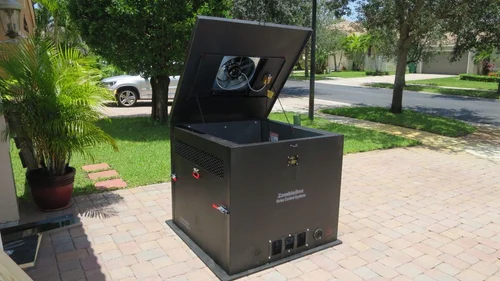
A cover helps when the product was specifically designed to run inside it. This differs greatly from throwing a storage cover over an operating motor! Running equipment produces heat that needs somewhere to go.
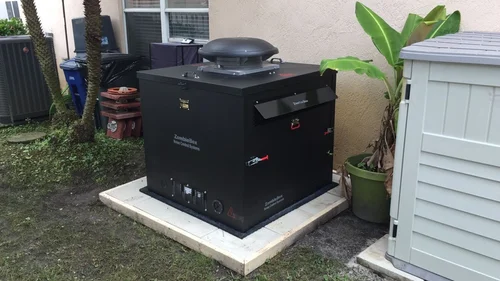
A professionally designed cover combines noise control with weather protection. It also prevents casual contact with moving or hot components while providing ventilation. Always confirm that the cover suits the exact type of equipment you’re trying to fix. A product meant for a small blower may not fit a larger compressor safely!
Pay Attention to Placement Before Adding Products
The cheapest noise fix may be to change the equipment’s location. This won’t work for every pool pump or permanent compressor, but portable equipment gives you more flexibility.
Avoid placing a loud machine in a narrow area between two walls, because that space can redirect sound instead of allowing it to spread. A corner may create a similar effect. Look at nearby windows, patios, and property lines. Don’t let the equipment face the most noise-sensitive area if you have another orientation available.
Moving the source also changes the sound path. Even a few feet can place a fence between the machine and the neighbor, making the equipment less noticeable. Always let safety guide every placement decision. Keep a generator outdoors, and keep its exhaust away from openings that lead into occupied spaces.
Know When a Generator Muffler Makes Sense
A generator creates more than one type of sound. The engine produces mechanical noise, while the exhaust adds a sharp tone of its own. An enclosure or barrier helps reduce overall machine noise. Meanwhile, a generator muffler focuses more directly on the exhaust side. The two approaches complement each other, rather than serving as interchangeable solutions.
A secondary generator muffler may be a smart upgrade when exhaust noise remains noticeable after other improvements. This upgrade proves especially useful when the generator already operates inside a compatible enclosure. Always ensure the exhaust has a safe route outside that enclosure.
Never let a generator muffler send exhaust into a garage or another occupied space. Never use it as an excuse to run a generator indoors! Carbon monoxide remains dangerous even if the engine sounds quieter.
Build a Quieter Setup That Fits Your Home
You can usually create a quieter property by making several small improvements that work together. Start with maintenance, then address vibration before focusing on the remaining airborne noise.
Use placement to your advantage! Add a barrier when sound travels in one clear direction. Your backyard doesn’t need to be silent. It only needs to feel comfortable again. These residential noise fixes for compressors and motors can be the final step toward a calmer setup that works better for your home.
A loud generator can quickly become the most noticeable machine around your home, especially when it runs for hours during an outage. Zombie Box International offers a generator silencer that gives homeowners a more practical way to reduce disruptive exhaust noise without relying on makeshift fixes. Explore a professionally designed option that can help make backup power feel less intrusive for your household and the neighbors nearby.