
When the lights go out, most homeowners care about one thing first: getting power back. Noise usually becomes a concern a little later, especially when a generator has been running outside for several hours. That steady engine sound can become difficult for your household and everyone living nearby to ignore.
If you are researching five effective quiet solutions for home backup power, the right choice depends on what you actually need to keep running. Some homes only need enough electricity for essential devices during a short outage, while others need a solution that can keep working well into the next day.
Portable Battery Power Stations
Portable power stations have become one of the easiest ways to get quiet backup electricity without starting an engine. These units store electricity in an internal battery. You charge them in advance and plug devices into the built-in outlets when the power goes out.
They make very little operating noise compared with a fuel-powered generator. Some models use cooling fans when they handle heavier loads, so they may not remain completely silent. Even then, the sound tends to be much less disruptive than an engine running outdoors.
Best for Shorter Outages
These systems make the most sense when you can prioritize. You may want to keep a refrigerator running, or your home office equipment might matter more during a daytime outage.
The key is understanding that a portable battery does not create new energy while you use it. Once the stored charge runs down, you need a way to recharge it. That limitation becomes more important during a several-day outage.
Solar-Rechargeable Power Stations
A solar-rechargeable setup takes the basic portable battery concept one step further. Compatible solar panels can replenish some of the stored energy during daylight hours, which gives homeowners another charging option when utility power remains unavailable.
This can work well for longer outages when your electrical needs stay reasonable. You can use the battery when needed and try to recover some of that capacity during the day. The setup remains much quieter than running a gasoline engine for the same period. Solar charging still has limits, however. Cloud cover affects production, and panel size also determines how much energy you can collect.
Do not assume rooftop solar will automatically keep your home powered during a blackout! Many grid-connected solar systems shut down when utility power disappears. A system requires the appropriate storage and electrical equipment to supply power safely during an outage.
Inverter Generators
Battery systems work well until your power needs grow or an outage lasts longer than expected. That is where generators still earn their place. For homeowners who want fuel-powered backup with less noise, an inverter generator deserves consideration.
An inverter generator can adjust engine speed based on the electrical demand. Meanwhile, a conventional generator may spend more time running at a steady engine speed regardless of the load. That difference can help an inverter model operate more quietly during lighter use.
You still get the advantages of fuel-powered backup, too. If you have fuel available, you can continue running the generator without waiting for a large battery to be recharged, which makes this option appealing during extended outages.
It will not be silent, however! Remember, an engine still creates mechanical sound, and the exhaust adds another source of noise.
Hybrid Battery and Generator Setups
You do not necessarily have to choose between batteries and a generator. A hybrid strategy lets each one handle the situations it does best.
A battery power station can cover periods of low demand. You can rely on it overnight when generator noise would feel especially disruptive. The generator can then take over when the battery gets low or when you need more power.
This approach can reduce the total amount of time the generator runs. Less engine runtime means less noise around the property, which also reduces how often you need to refuel during an outage.
Some Electric Vehicles Can Provide Backup Power
An electric vehicle can carry a much larger battery than a typical portable power station. Some newer vehicles can use that stored energy for more than driving, but keep this as a last resort! Depending on the vehicle, you may be able to power individual devices or send electricity back to a home through compatible equipment.
Compatibility is the important word here. Not every electric vehicle supports bidirectional power, and not every charger can send electricity back toward a home either. Before treating an EV as your emergency power plan, confirm exactly what your vehicle supports. You may also need professional electrical installation before the system can safely power household circuits.
Operate Fuel-Powered Backup Power Safely
Quiet operation should never come ahead of safety. Portable generators produce carbon monoxide, which can build up quickly in enclosed areas. You cannot see or smell the gas! Never run a portable generator inside your home. A garage does not become safe just because you leave the door open. The generator belongs outdoors.
Current CDC guidance recommends keeping portable generators more than 20 feet from windows, doors, and vents. Point the exhaust away from the home and use a battery-powered carbon monoxide detector or one with battery backup inside the house.
Electrical safety matters as well. Follow the generator manufacturer’s instructions for connections. If you want to power household circuits directly, use the proper electrical equipment and qualified installation rather than creating an improvised connection.
Make a Traditional Generator Quieter
Sometimes a generator remains the most practical choice. You may need extended runtime, or your home may have loads that demand more power than a portable battery can reasonably provide. You can still reduce how intrusive the generator feels!
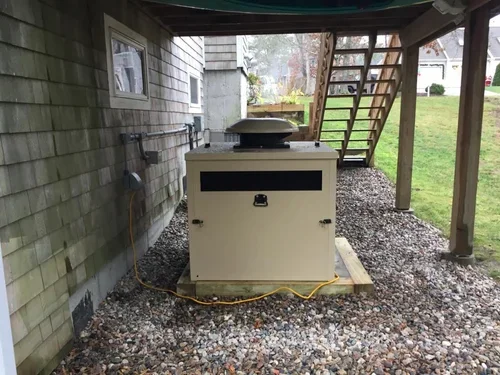
Start with placement. Distance naturally reduces the sound that reaches your home, provided the location remains safe. Avoid putting the generator where walls can reflect noise directly toward bedrooms or neighboring houses.
Pay attention to vibration as well. A generator sitting on a hard surface can transfer vibration into the ground. An appropriate isolation mat may reduce some of that transmitted sound.
Build a Backup Plan You Will Actually Want to Use
The most effective quiet solutions for home backup power have changed. A generator is no longer the only realistic choice for every outage. Portable batteries can handle quieter short-term needs, while solar charging may help extend their usefulness.
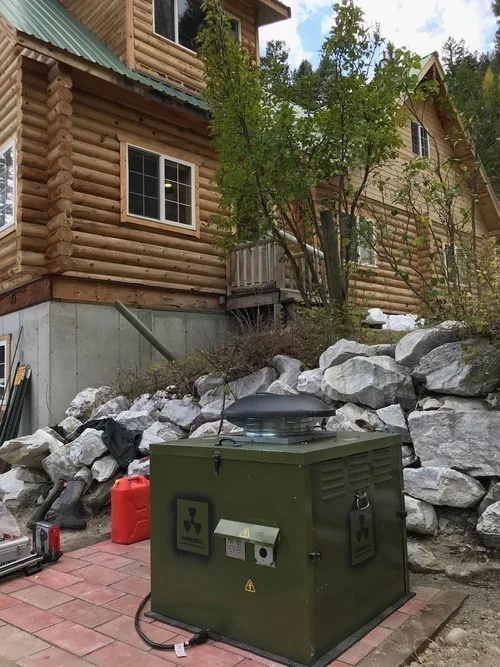
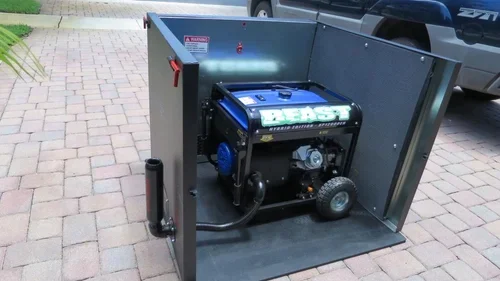
If a traditional generator still makes the most sense for your home, you do not have to accept all of its noise as part of the deal! Strategic placement can help, but a purpose-built acoustic barrier can take that improvement further.
Zombie Box International offers acoustic board panels designed for generators that can block and redirect sound without requiring a permanent enclosure. The panels can provide a practical way to make an existing backup generator easier to live with while maintaining the access and ventilation that running equipment still needs. Quiet down your generator today with Zombie Box!