
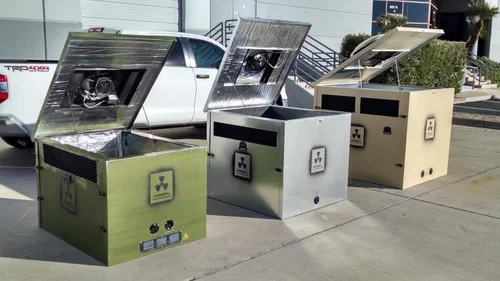
Buying a generator enclosure seems easy at first, but comparing options can get confusing. The largest enclosure is not always the best choice. Think about where you use your generator and what you need the enclosure to do.
The right enclosure gives your generator enough space to work well while meeting your main needs like better noise control, weather protection, and easy everyday use. Here’s how to choose the right generator enclosure.
Start With How You Use the Generator
Portable generator owners usually benefit from an enclosure that can move with the equipment. If the generator spends most of the year in a garage or shed, a collapsible enclosure keeps you from dedicating permanent yard space to something you only use occasionally.
Standby generators need a different approach. Since they stay outside, they require an enclosure made for permanent use. The enclosure should work with the generator’s built-in cooling system as well. Begin by thinking about how you use your generator, then narrow your choices based on that!
Measure the Generator Before Shopping
Don’t choose an enclosure just by wattage. Two generators with the same power can be very different sizes. Measure your generator as it is when running, including anything that stays attached. Then, compare those measurements to the inside size of the enclosure.
Before ordering, confirm:
Overall generator length
Total width at the widest point
Full height with fixed components included
Space required for handles or wheels
Recommended clearance inside the enclosure
Room needed for cords or fuel connections
Don’t try to fit your generator into an enclosure that’s just big enough. If it barely fits, there isn’t enough space for heat to escape. Leave extra room so the generator can run safely.
Give Airflow More Attention Than Appearance
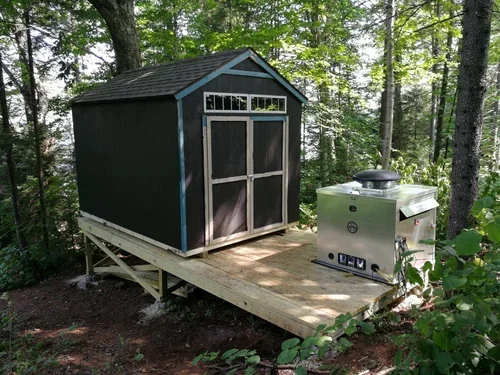
Generators get hot when running, and that heat needs to escape the enclosure. Homemade boxes often have problems here. Even if a box looks neat and blocks some noise, it can stop the generator from cooling properly. Sealing every opening to reduce noise is not the right solution.
A professionally designed system accounts for airflow from the start. Blocking an intake or hot-air outlet defeats the purpose of the generator’s cooling system.
Bigger Generators Need More Breathing Room
Bigger generators need even better cooling. Large engines give off more heat and need a bigger enclosure. Don’t try to fit a large generator into a small box just because it seems to fit. The enclosure should have enough space for the cooling system to work well. If the sizing guide says to choose a bigger size, follow that advice.
Decide How Much Noise Control You Need
Noise problems are different for everyone. A generator far from the house is less of an issue than one near a bedroom or close to neighbors. Think about where the unwanted sound goes. If the noise travels mainly in one direction, a barrier can provide a simpler solution than a full enclosure. When the generator needs broader sound control, a properly ventilated enclosure often makes more sense.
Match Weather Protection to the Setting
Noise is only part of the reason many people start shopping for an enclosure. Portable generators often need to run during the same storms that cause power outages. That creates an obvious problem. You need electricity, but the generator still has to stay protected from rain and other outdoor conditions. Throwing a tarp over a running machine does not solve that safely.
A weather-ready enclosure covers the generator while preserving the system's built-in ventilation. Materials also matter when the enclosure stays outdoors for long periods. Repeated exposure to rain, sun, dirt, and changing temperatures calls for something designed for outdoor use.
Weather protection should feel built in, not added as an afterthought. If keeping rain out means blocking ventilation openings, the design won't work for a running generator.
Think About Access Before You Need It
An enclosure might look good when things are working, but the real test is when you need to reach the generator. You still need to do regular maintenance. If opening the enclosure is always a hassle, it will quickly become frustrating. Check how the panels open or come off. The enclosure should make things easier, not harder.
Picture the Maintenance Visit
Imagine reaching every part of the generator that requires regular attention. If the enclosure blocks a service panel or forces you to dismantle half the structure, reconsider the product. This detail often gets overlooked during shopping because noise reduction gets all the attention.
Choose Between a Portable and Permanent Setup
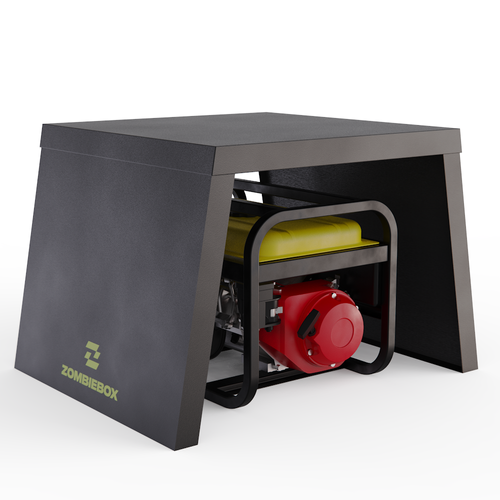
Portability might not seem important until you need to move your generator. A collapsible enclosure is great if you use portable power in different places. Set it up during an outage and store it when you don’t need it. Some portable enclosures can be mounted to a solid base for longer use. This gives you more flexibility if your needs change. You don’t have to stick with one setup forever.
Think about where the enclosure will spend most of its life. If you regularly move the generator, portability deserves real weight in the decision. If the equipment never leaves one spot, stability and service access matter more.
Look Beyond the Box Itself
The enclosure does much of the work, but accessories can improve the overall setup. Exhaust management becomes important with some portable generators. A secondary exhaust system can help move hot exhaust away from the enclosure while also addressing another source of generator noise. Larger units especially benefit from an exhaust solution designed to work with the enclosure.
Weather guards help when wind-driven rain is a problem. Cord openings make it easier to connect cables without leaving gaps in the enclosure.
Don’t add accessories just because they are available! Focus on your main problem and pick parts that make your setup better.
Match the Enclosure to the Generator
When choosing the right generator enclosure, the best approach is to match the product to the generator rather than forcing the generator into whatever enclosure looks convenient. That approach gives you a setup that works better when the power goes out and stays easier to live with over time.
Zombie Box International offers a generator enclosure for both portable and standby generators, along with noise barriers and accessories for different setups. A properly matched enclosure gives you a safer, quieter option. Check out our enclosures today!