
When a generator needs protection from rain or noise, building a shelter can seem like an easy weekend project. A few sheets of plywood and basic hardware may seem like a cheap fix. Once the generator starts running, though, the enclosure has to handle much more than bad weather.
If you’re comparing generator covers versus DIY generator shelters, you need to think beyond what surrounds the machine. A running generator produces heat and exhaust while also creating vibration and considerable noise. Whatever goes around it has to work with those conditions, not just hide the equipment.
Know the Difference Between a Cover and a Running Enclosure
The word “cover” can mean two very different things.
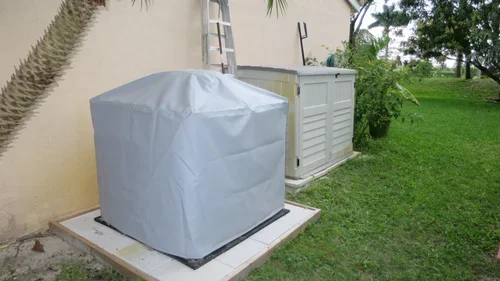
Some generator covers are only designed to protect equipment while it sits in storage. Those covers need to come off before the generator starts. Running a generator under something not designed for operation can restrict ventilation or expose the material to excessive heat.
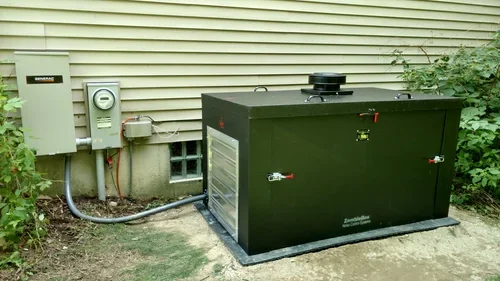
A dedicated running enclosure works differently. Its design accounts for an operating generator and provides a controlled way to protect the unit without simply wrapping it up.
DIY Shelters Often Start With the Wrong Priority
Most homemade shelters begin with one goal: keep rain off the generator.
That makes sense on the surface. Portable generators need protection from wet conditions, especially when storms cause the outages that make backup power necessary in the first place. The problem begins when weather protection becomes the entire design.
You may start by closing off the sides to stop wind-driven rain, then you add another panel because the generator still sounds loud. Before long, the shelter has become much more enclosed than originally planned.
Now the generator has less room to release heat, and the exhaust has fewer clear paths away from the machine.
Airflow Is Where DIY Gets Complicated Fast
Generators need cooling air while they operate. The engine creates heat continuously, and that heat has to leave the area around the machine.
This is one of the biggest weaknesses of many DIY designs. A shelter can look open enough while still interfering with the generator’s natural cooling pattern. Adding sound-dampening material can further reduce airflow.
Ventilation also becomes harder to judge because generator designs vary. The enclosure must meet the generator manufacturer’s specific requirements.
More Open Does Not Always Mean Better Designed
Leaving a large side open helps airflow, but it creates another issue. Rain can enter from that direction, and much of the generator noise can escape through the same opening. Closing that side solves one problem while creating another.
A purpose-built enclosure addresses those competing demands in the original design. That is much harder to achieve through trial and error with plywood and homemade panels.
Purpose-Built Covers Do More With Generator Noise
A basic shed does not automatically become a sound enclosure just because it has walls.
Sound reflects off hard surfaces. A poorly designed shelter can bounce generator noise in an unwanted direction instead of reducing its impact. That becomes especially noticeable when the opening faces the house or a neighboring property.
Adding household insulation is not a complete answer either. Materials designed for inside a wall may not be suitable near running outdoor equipment. Moisture and heat exposure also change how suitable a material is for the job.
A dedicated noise-reducing generator enclosure approaches the problem differently. Its shape and materials are chosen with operating noise in mind. The goal is to interrupt the sound path while preserving the conditions the generator needs to run.
Weather Protection Takes More Than Adding a Roof
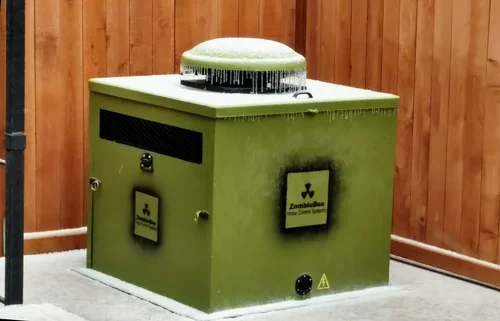
A roof solves falling rain, but it does not solve every outdoor condition. Wind can push water through open sides. Long-term sun exposure can also wear down materials that were never intended for permanent outdoor use.
A weatherproof enclosure designed for generator use gives you a more predictable setup. You won't have to rebuild part of the shelter after every rough season or improvise when the wind shifts during an outage.
Maintenance Access Matters More Than You Think
Generators still need attention once they sit inside an enclosure. When service time arrives, the enclosure should not turn a basic task into a demolition project.
DIY shelters frequently overlook this because access feels easy during construction. The front may have plenty of space while the structure remains unfinished. Once you add side panels and sound-control materials, important service points become harder to reach.
Before choosing any enclosure, check whether you can comfortably reach:
Controls and shutoff points
Routine service areas
Electrical connections
Components that require inspection
Panels the generator manufacturer expects you to access
A product that reduces noise but makes maintenance frustrating eventually becomes a problem in its own right.
Safety Has To Come Before a Quieter Backyard
No generator enclosure changes the basic rules of portable generator safety.
Fuel-burning generators always belong outdoors. Keep them well away from openings where exhaust can enter the home. Carbon monoxide can build up without giving you a warning through smell or sight.
Having a battery-powered or battery-backup carbon monoxide detector adds another important layer of protection inside the home. Never move a running generator into a garage because an enclosure does not fit outside! Opening the garage door does not make that setup safe.
If a shelter becomes quieter only because it traps exhaust and heat, it has failed at the most important part of the job.
Choose the Solution Built for the Job
DIY projects work best when the problem stays simple. Generator protection does not stay simple once the machine starts running. You have heat to manage, and the exhaust needs somewhere safe to go. The enclosure still needs to reduce noise without turning routine access into a chore.
A dedicated generator enclosure puts those issues into one design rather than leaving you to solve them individually. You get a more predictable fit and a system made specifically for noisy outdoor equipment.
That is the real advantage when weighing generator covers against a DIY generator shelter. The goal is not simply to put walls around a generator. The goal is to create an operating setup that makes the generator easier to live with without working against the machine.
Zombie Box International designs generator covers around those real-world demands. Rather than spending weekends modifying a DIY shelter every time a new problem appears, you can choose a purpose-built setup designed to reduce generator noise while preserving airflow and everyday access.
When the next outage arrives, you want to start the generator and restore power, not wonder whether the shelter you built is creating a new problem.