
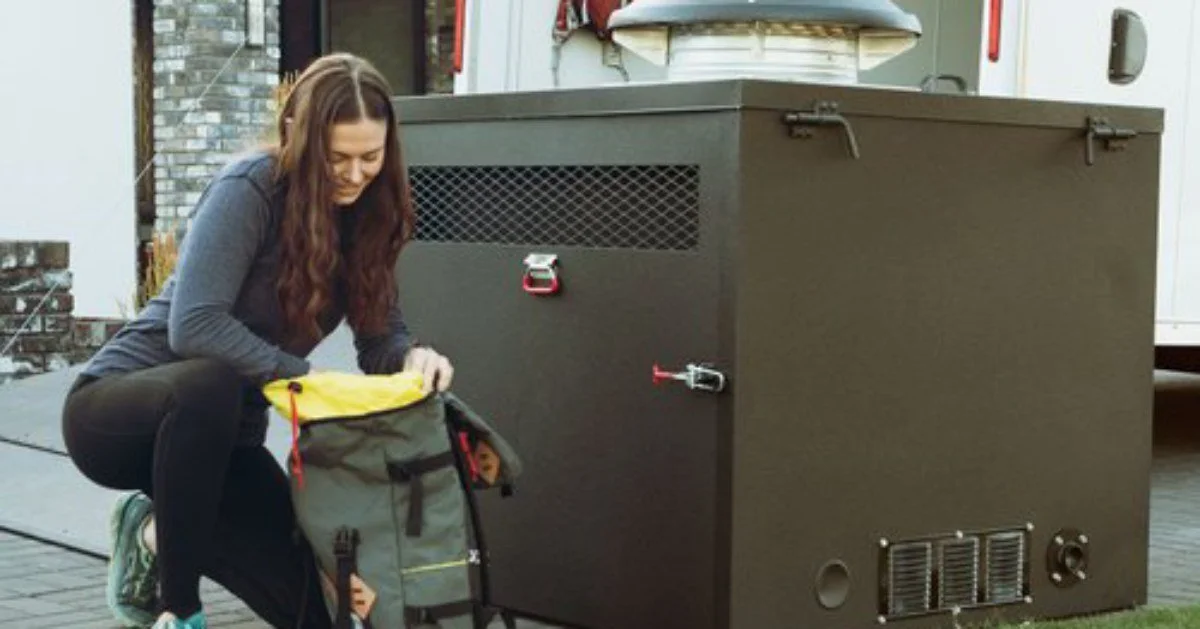
When storms roll in, most people focus on fuel and wattage, only to be surprised by the two things that cause the most headaches: noise and weather exposure. Your generator is crucial for backup power during extreme weather. However, did you know you can keep your generator setup quieter, safer, and more reliable even in messy conditions? Find out how to reduce generator noise and weather hazards without disturbing your entire neighborhood.
Why Generator Noise Gets Worse During Storm Season
Storm season changes the way sound travels. Wet air can carry low-frequency noise farther, and when the power is out, the whole neighborhood gets quieter just as your generator gets louder and more noticeable.
People are also stressed, trying to sleep, and already annoyed by wind, sirens, and flashing lights. That’s why the same generator that “seemed fine” during a quick test run can suddenly trigger complaints during a long outage.
Weather Hazards Are More Than Just Rain
Bad weather is not just water coming straight down. You’re dealing with gusting wind, wind-driven rain, flying debris, puddling, and sudden temperature swings that affect performance. Cords and connections become more vulnerable, and placement mistakes that were harmless on a sunny day can become dangerous in a hurry.
Weather hazards also shorten generator lifespan when moisture and grit are drawn into the intake areas. A smart setup protects airflow, keeps runoff away, and prevents your backup power from becoming a safety gamble.
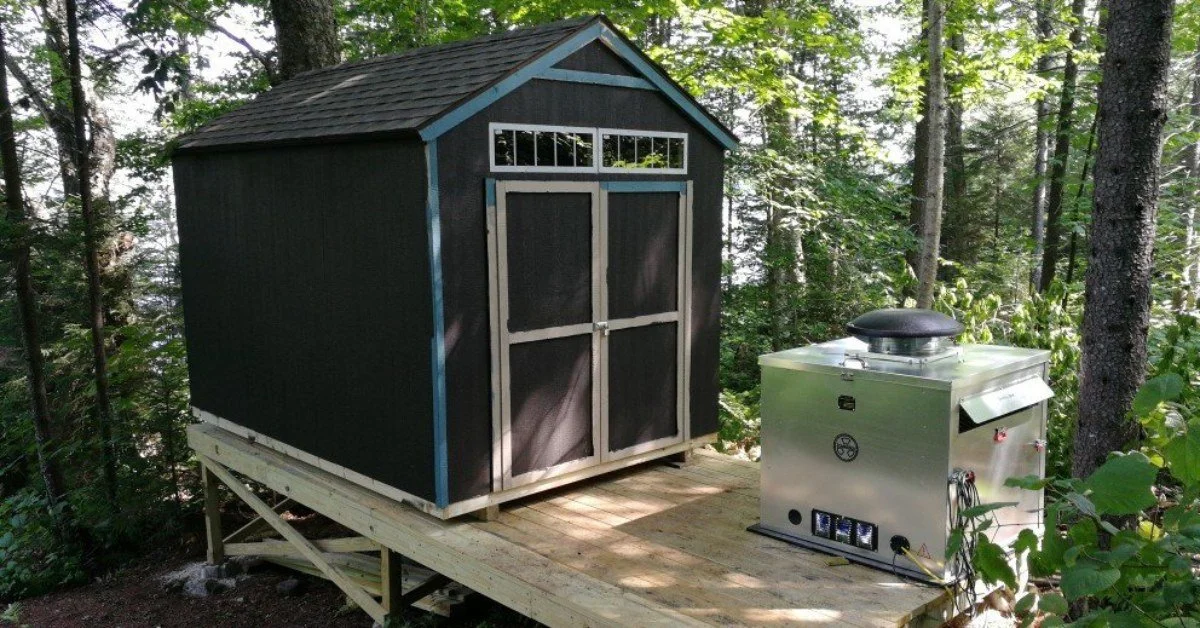
Start With Placement That Works for Noise and Safety
A few feet can change how much sound reaches the neighbor’s yard, and it can also change how exposed your equipment is to flooding, wind, or debris.
Pick a Spot That Limits Sound Travel
Sound moves like it has a destination, especially from a hard-running engine. If your generator has a direct path toward a neighbor’s patio or bedroom window, they will hear it more clearly and more often.
Try to position it so the loudest side is not aiming at shared property lines, and avoid corner areas where fences and walls bounce noise back outward. The goal is not to hide it. The goal is to prevent a straight-line “sound shot” into someone else’s space.
Keep It Out of Flood-Prone and Runoff Areas
Generators and standing water do not mix, and the risk extends beyond obvious flooding. Downspouts, sloped lawns, and pooling areas can send water exactly where you do not want it during heavy rain. Place your generator on stable, elevated ground where water naturally drains away, and keep it off soggy soil that can shift under vibration. If you’re using a portable unit, treat placement like a safety checklist item, not an afterthought you handle once the storm starts.
Reduce Noise Without Choking Airflow
Noise control is where many people accidentally create new problems. The best noise strategies reduce harshness and projection while still allowing the unit to breathe as needed.
Use a Generator Enclosure Built for Real Use
A properly designed generator enclosure helps in two ways: it interrupts direct sound paths, and it reduces the way noise bounces around and escapes through openings. The wrong enclosure, or a makeshift box, can trap heat, restrict airflow, and push sound out through vents even louder.
Look for designs that account for ventilation and service access so you are not removing panels or leaving doors open while it runs. If you have HOA concerns, an enclosure that looks clean and intentional can also reduce unwanted attention.
Control Vibration
Some of the most annoying generator noise is not just airborne. It’s vibration transferring into concrete pads, deck supports, or anything rigid nearby, which turns into a low hum that carries.
Isolation pads, stable footing, and avoiding direct contact with walls or posts can make the sound feel softer even when the generator output stays the same. If neighbors describe the sound as “constant” or “in my walls,” that’s usually vibration and low-frequency noise teaming up.
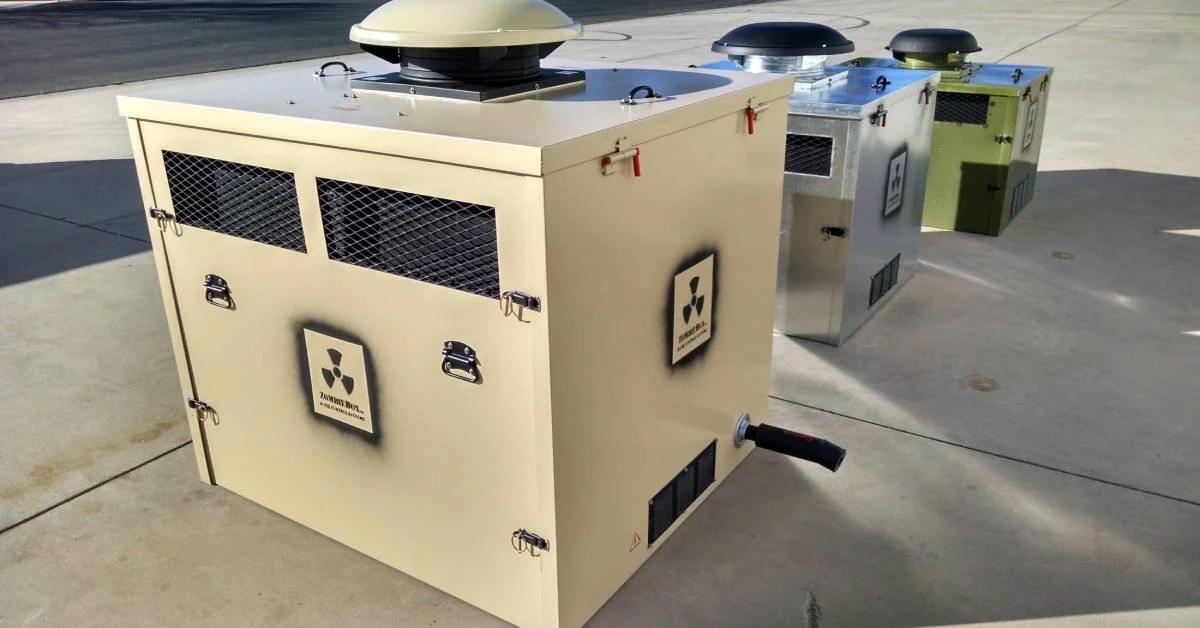
Weatherproof the Details That Usually Fail First
During an outage, the generator itself is only part of the system. The weak points are usually cords, connections, airflow openings, and where water wants to collect.
Protect Connections From Wind-Driven Rain
Cords and plugs are common failure points because wind-driven rain can get into places you assumed were “covered.” Keep connections elevated and protected, avoid laying cords in puddle-prone areas, and route everything so water drains away from connection points rather than into them. If you’re using covers or guards, they should protect without sealing off ventilation. The goal is to reduce exposure while still keeping the system accessible and safe to shut down quickly if conditions change.
Plan for Debris and Shifting Conditions
Storms toss branches, small stones, and loose yard items around, and those can become hazards near a running generator. Clear the area in advance and avoid placing the unit under anything that could drop or snap. A spot that seems protected at the start can become a wind tunnel an hour later. Build a setup that can handle surprises, including a quick, safe shutdown plan if debris starts collecting or the wind direction changes sharply.
Keep It Neighbor-Friendly During Long Outages
A generator that runs for hours can become a neighborhood focal point. Even if it’s technically allowed, the social side matters because complaints tend to follow irritation rather than strict rules.
Test Smarter
If you test your generator regularly, avoid early mornings, late nights, and weekends when people are outside or trying to relax. A short daytime test is less likely to bother anyone, and it sets you up for fewer complaints when you actually need to run it overnight during a real outage. Consistent testing also helps you catch issues before storm season, which reduces the chance you’ll be troubleshooting loudly for hours when everyone else is trying to sleep.
Make the Setup Look Intentional
HOAs and neighbors notice what looks messy. A clean enclosure, tidy cord routing, and a setup that looks like it belongs in the space gets far less attention than a pile of improvised barriers and tangled cables. If your generator setup looks calm and contained, people assume you’re handling it responsibly, and they’re less likely to report you.
A Quiet, Storm-Ready Setup
Storm prep is not just buying a generator and hoping for the best. The real win is building a setup that runs reliably, stays safer in bad weather, and does not create friction with the people living next to you. When you take a few intentional steps to address placement, airflow, vibration control, and weatherproofing, reducing generator noise and weather hazards becomes a practical game plan rather than a last-minute scramble.
Zombie Box International offers a generator silencer that helps keep your backup power ready for long outages while reducing the steady rumble that carries across fences and into nearby homes. It’s a practical way to stay storm-ready, keep your setup feeling more contained and neighbor-friendly, and run your generator with a lot less attention when the block is already tense. Explore our generator boxes today!