
Industrial floors run on clear communication, audible alarms, and quick coordination around moving equipment. When sound levels climb, crews miss warnings, repeat instructions, and drift closer to hazards just to talk. Implementing industrial noise control to improve worker safety reduces risk without slowing production or turning every shift into a shouting match. Here is how you can reduce noise exposure for cleaner handoffs, safe lift traffic, and calm troubleshooting when equipment starts to act up.
Loud Work Areas Create Safety Gaps
Noise blocks the signals people rely on, including backup beeps, radio calls, and a coworker’s quick warning. Workers compensate by moving closer, leaning into lanes, and splitting attention between the job and the noise.
Crews also lose the small mechanical cues that flag problems early, like a rattling guard or a strained motor note. Lower the noise to give workers more usable awareness. This approach helps them keep distance, follow procedures, and react appropriately when something changes.
Why Generators Cause Complaints and Confusion
Generators create a unique kind of engine noise that projects into nearby work zones and follows people across open areas. Teams cluster around cords, distribution, and equipment startup, so the loudest spot also becomes a high-traffic spot.
Supervisors lose clarity when they try to direct work around that zone, and crews miss callouts during starts, refuels, and load changes. Treat generator noise as a safety issue, not a comfort issue, because it directly affects how crews hear and respond.
Map Noise Exposure
You can’t pick the right control until you know where sound starts and where it lands. A simple noise map shows hotspots, workstations, and travel paths where people spend real time, not just where noise feels annoying.
Use it to prioritize the areas where workers communicate, where forklifts move, and where a generator runs during tests or temporary power jobs. This approach prevents wasted spend on fixes that lower sound in the wrong place while crews still take the hit.
Identify Hotspots
Some sources scream, but workers only pass them for a minute. Other sources sit near a quality station, a pack line, or a maintenance bench, so workers spend hours exposed to noise. Walk the floor during normal production, mark the areas where people stand and talk, then trace the noise back to its source.
Add generator runtime periods to the map, including weekly tests and emergency drills. You’ll see exactly where to place barriers and how much coverage the team needs.
Use Engineering Controls Before You Lean on PPE
Hearing protection belongs in your program, but it can’t carry the whole solution. Workers still need to hear alarms, lift traffic, and each other, and overprotecting can create its own risk when crews miss cues. Engineering controls lower the baseline sound level, so PPE supports the plan rather than replacing it. Control generator noise at the source, enable crews to communicate without crowding hazards, and allow supervisors to run safer, cleaner operations during outages or testing windows.
Fix Mechanical Noise and Vibration
Loose panels, worn bearings, and unbalanced fans turn normal equipment into a loud problem and shorten component life. Additionally, compressed air leaks add sharp noise and waste energy, so a repair improves safety and operating cost in the same move.
Vibration control also helps because it prevents vibration from transferring into floors, skids, and frames, and reduces a low rumble that carries. Tighten, align, and service equipment on schedule, then verify the change with your noise map.
Don’t “Quiet” a Generator by Trapping Heat
Generators need airflow and access, and any solution that blocks ventilation creates a safety and reliability problem. Avoid makeshift boxes, blankets, or sealed structures that force operators to run with panels open or doors ajar.
Choose a control approach that blocks the direct path of sound while keeping the generator clear for inspection, shutdown, and maintenance. Your crews need a safe, repeatable setup they can deploy during jobs, not a fragile workaround.

Why Acoustic Panels Fit Generator Noise Control
Generators rarely sit in a perfect location, and sites change layouts as work shifts, equipment moves, and temporary power needs pop up. Acoustic panels solve this problem by allowing you to control the sound path without building permanent walls.
Blocks the Direct Sound Path
You don’t need a full room build-out to cut generator noise where crews stand and communicate. Set the acoustic panels between the generator and the occupied zone, then extend coverage toward walkways, stations, or staging areas where sound travels.
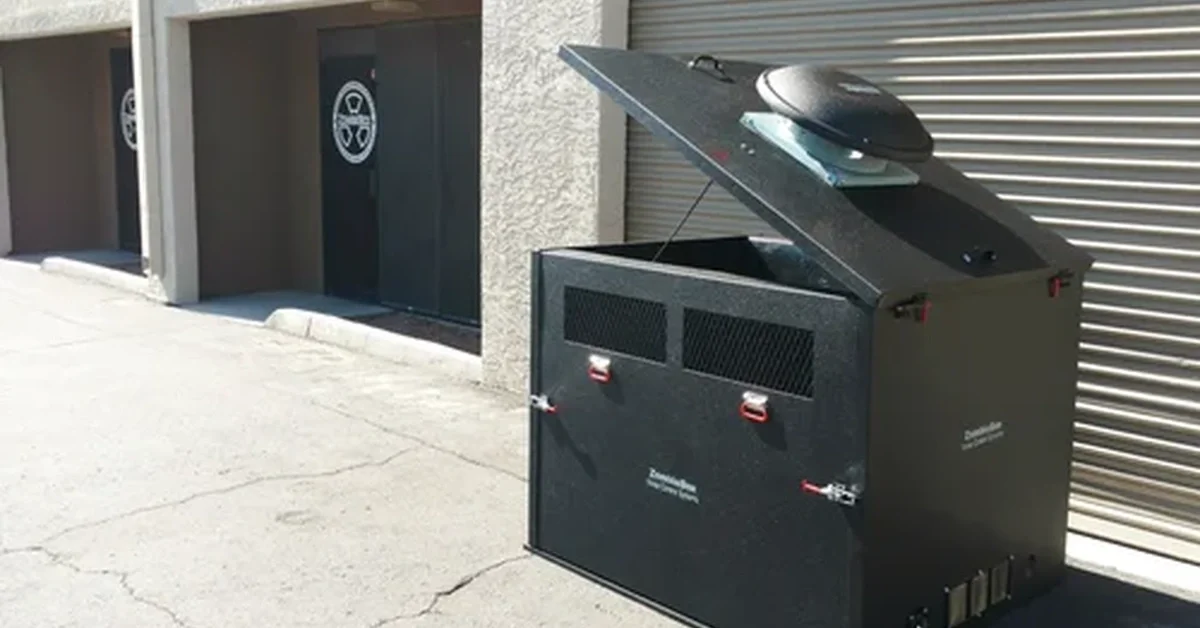
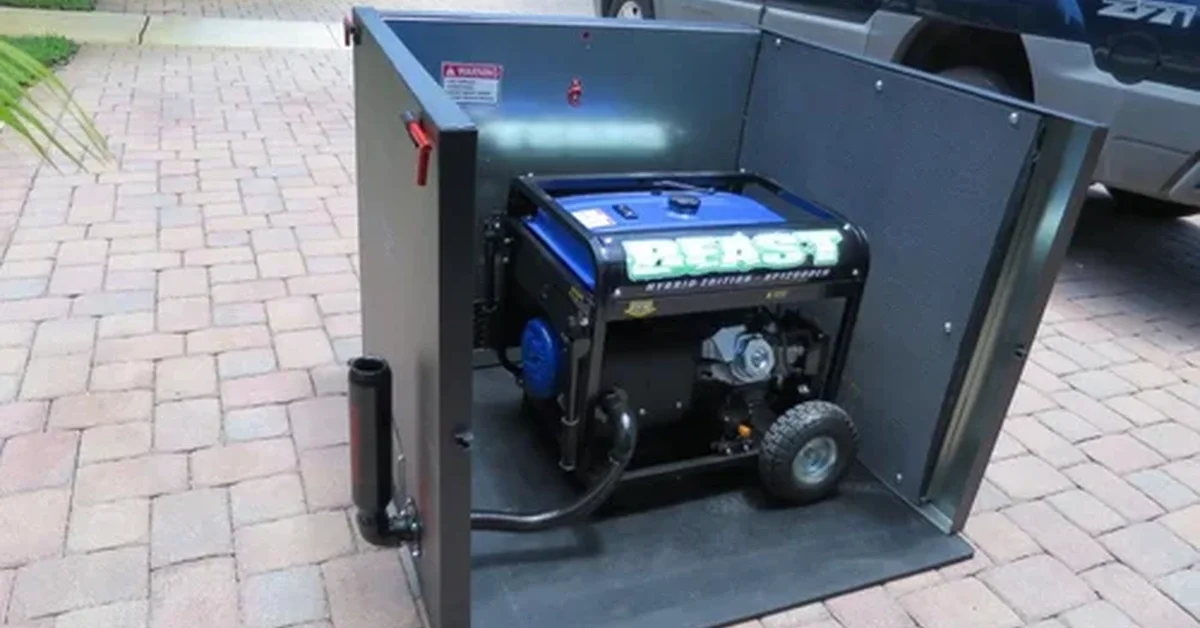
Zombie Box International offers a setup where panels pin together, allowing teams to form a short line or wrap around the noise source. This approach supports flexible layouts during tests and outage response while keeping access and ventilation practical and reducing the sound that hits people first.
Acoustic Panels in a Work Routine
Noise control fails when crews treat it as optional or inconvenient. Build a simple routine that crews follow whenever a generator runs near people, workstations, or traffic lanes.
Keep the setup consistent so workers don’t guess where protection starts and ends, and keep pathways clear so panels don’t create trip hazards or block emergency access. A panel system works best when it feels like a normal site setup, not a special project that only the safety manager remembers.
Set Rules for Panel Placement
Start from the crew’s position. Place panels to shield work areas, then leave access for controls, fueling, and safe shutdown. Maintain cord clearance to prevent workers from routing lines under panels or through pinch points.
Ensure the panels allow access and ventilation while reducing noise, so crews don't need to reach the unit to adjust or control it.
Control Generator Noise Where People Work
Industrial operations need backup power, but crews shouldn’t pay for it with missed warnings and poor communication. You can cut risk by controlling generator noise with a solution crews can deploy in real conditions, without building permanent walls or restricting ventilation.
Zombie Box International’s acoustic panel approach uses linkable, self-standing panels that surround loud equipment, such as generators, and reduce the direct path of sound toward people. This design supports industrial noise control for worker safety.
Ready to make your job sites safer and quieter? Zombie Box International offers acoustic board panels built for real-world work zones, so you can set up a noise barrier where people stand, stage, and communicate. Use them to shield high-traffic areas from generator noise, keep access and ventilation workable, and turn temporary power setups into something your team can run confidently shift after shift. Explore our products today!