
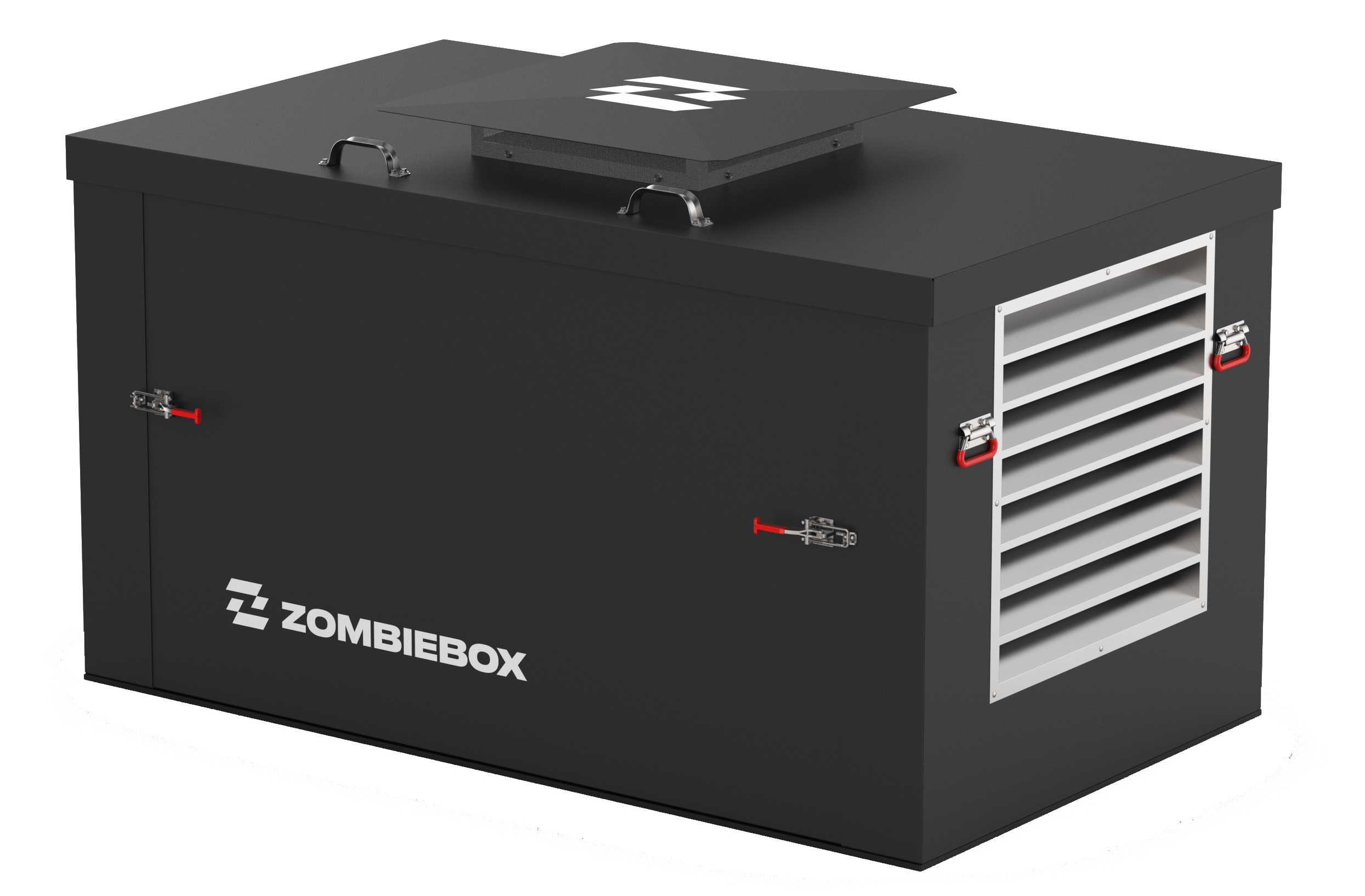
A generator enclosure faces far more than the occasional rainstorm. From intense summer heat to winter ice, outdoor conditions gradually affect the materials that protect your equipment. Choose a durable solution by learning how weather affects generator enclosure materials.
Rain and Moisture Wear Down Enclosure Materials
Rain creates problems beyond a wet exterior. Water can seep through poorly sealed joints, collect near fasteners, and reach areas that remain damp long after a storm passes. Over time, repeated moisture exposure can damage vulnerable enclosure materials and shorten their service life.
Wood presents a familiar example. Without adequate protection, it absorbs moisture, swells, and eventually develops cracks or rot. Metal enclosures face different concerns, particularly when scratches expose untreated surfaces to water. Corrosion can gradually weaken vulnerable components and leave the enclosure with a worn appearance.
Purpose-built weather-resistant enclosures offer an alternative to improvised wooden structures. Their materials and construction are designed with outdoor exposure in mind. Still, weather resistance doesn't mean every enclosure can withstand unlimited water exposure, so proper placement and drainage deserve attention.
Extreme Heat Places Stress on Enclosure Surfaces
Summer temperatures can be brutal on outdoor equipment, especially in regions with relentless afternoon sun. Metal surfaces absorb solar heat, and enclosed spaces can become considerably hotter than the surrounding air. Without adequate ventilation, that heat can create problems for the generator itself.
Different materials react to temperature changes in distinct ways. Some plastics soften or deform under excessive heat, particularly when their temperature ratings fall below actual operating conditions. Metal generally tolerates higher temperatures, although direct sunlight can leave its exterior extremely hot to the touch.
Heat resistance isn't just about the enclosure's outer shell. A generator produces substantial heat during operation, so the enclosure must accommodate its cooling airflow and exhaust requirements. Never assume a weatherproof box is safe for generator operation without manufacturer-approved ventilation and clearance provisions.
Freezing Temperatures Can Affect Structural Durability
Cold weather introduces another challenge for generator enclosure materials. As temperatures drop, certain plastics become brittle and more vulnerable to cracks from impacts. Metal generally maintains its structural strength, although individual alloys and components have different cold-temperature limitations.
Repeated freeze-thaw cycles deserve particular attention. Water trapped inside seams or small openings expands as it freezes, potentially placing pressure on surrounding materials. Over several winters, this process can enlarge existing gaps and damage vulnerable joints.
Consider a generator beside a detached garage in a northern climate. Snow collects around the enclosure in December, melts during a brief warm spell, and freezes again overnight. A durable enclosure with suitable drainage and cold-resistant components can withstand these seasonal demands far better than a poorly constructed shelter.
Sun Exposure Changes How Materials Age
Sunlight affects more than surface temperature. Ultraviolet radiation gradually breaks down certain plastics, paints, and protective finishes, especially after years of direct exposure. The damage may begin as discoloration before cracks, fading, or surface deterioration become noticeable.
UV-resistant materials and finishes help limit this deterioration. Powder-coated metal, for example, can provide durable exterior protection when the coating formulation suits prolonged outdoor use. Some plastics also contain UV stabilizers that help preserve their physical properties.
Location influences the extent of exposure. An enclosure beneath a shaded patio roof receives less direct sunlight than one beside an open driveway. Even so, shade shouldn't come at the expense of safe generator exhaust clearance or airflow.
Coastal Air Creates Additional Corrosion Concerns
Coastal environments present a particularly demanding combination of humidity, salt, and wind. Salt deposits can accumulate on exposed surfaces and accelerate corrosion in susceptible metals. Even a sturdy enclosure may develop surface damage when its protective finish deteriorates.
Material selection becomes especially relevant near the ocean. Aluminum resists many forms of atmospheric corrosion, although saltwater exposure can still affect certain alloys and connections. Stainless steel offers another option, but its resistance depends on the specific grade and environmental conditions.
Protective coatings provide an additional barrier against salt exposure. Regular exterior inspections also help identify scratches, damaged fasteners, or corrosion before deterioration spreads. For coastal properties, attention to these details can extend an enclosure's useful life.
Strong Winds Test Enclosure Construction
Wind creates physical stress that differs from moisture or temperature exposure. Strong gusts can push against enclosure walls, strain attachment points, and move lightweight structures that lack proper restraint. Debris carried by storms introduces another source of potential damage.
A rigid enclosure needs more than durable exterior panels. Its hinges, connections, support structure, and approved anchoring arrangement must withstand the conditions expected at the installation site. A sturdy shell offers limited protection if its attachments fail during a severe storm.
Portable enclosures require particular attention because their mobility can affect stability. Follow the manufacturer's instructions for placement and securement, and never operate a generator in unsafe storm conditions. Weather protection should complement safe equipment operation rather than compromise it.
Comparing Common Generator Enclosure Materials
Different materials offer distinct advantages, and the local climate influences their suitability. Before choosing an enclosure, consider how its construction responds to the weather conditions your property experiences throughout the year.
Here's a practical comparison of common options:
Steel: Offers strength and impact resistance but needs suitable corrosion protection.
Aluminum: Provides a lightweight structure with good general corrosion resistance.
Plastic: Resists moisture but requires appropriate UV and temperature ratings.
Wood: Allows custom construction but needs regular protection against moisture and decay.
Composite materials: Offer varied durability depending on their formulation and construction.
Material quality matters as much as material type. Two steel enclosures, for instance, can perform very differently because of their coatings, seams, and construction details. Evaluate the complete product rather than rely on a single material label.
Ventilation and Drainage Deserve Equal Attention
A durable exterior won't compensate for poor enclosure design. Generators need adequate airflow to control operating temperatures, and exhaust gases must escape safely. Carbon monoxide presents a deadly hazard, particularly when an enclosure traps exhaust or sits too close to occupied structures.
Drainage matters for similar reasons. Water that collects beneath equipment can accelerate corrosion and create maintenance problems. A suitable installation surface helps prevent puddles and keeps vulnerable components away from prolonged moisture exposure.
Choose Weather Protection That Suits Your Climate
Now that you see how weather affects generator enclosure materials, you have a practical advantage before your next purchase. Instead of choosing a product based on appearance alone, you can evaluate its resistance to moisture, sunlight, temperature changes, and physical stress. That approach helps you avoid materials that demand more maintenance than your property can accommodate. Visit Zombie Box International today to find your next generator box.